
ARTICLES
Why Hire A Property Management Company
ARTICLES
Why Hire A Community Management Company

What Does Renters’ Insurance Cover? (And Why You Need It)
Your apartment catches fire. It is a small kitchen grease fire that the fire department extinguishes in minutes.
Your family and cat are safe, but your laptop has been destroyed. The couch smells like smoke, and three boxes of family photos are soaked from the sprinklers.
Yes, exactly. And if you don't have it yet, you're taking a risk you can't afford.
When you call your landlord expecting help, the answer is straightforward: their insurance covers the building, not your belongings. If you do not have renters insurance, that loss is entirely yours to absorb.
This guide covers what renters insurance is, the key coverage types, and what you need to know before something goes wrong.
What is Renters’ Insurance?
Renters insurance is a policy that protects you, the tenant, not the building.
Your landlord's insurance covers the physical structure: walls, roof, appliances, and common areas. But their policy stops at your front door.
In short, renters insurance covers your personal property, liability if someone is injured in your rental, and additional living expenses if your home becomes uninhabitable.
According to the Insurance Information Institute, only about 37% of renters carry renters insurance, meaning the majority are leaving their personal property and liability exposed.
What Does Renters Insurance Cover? The Three Main Buckets

The answer falls into three main categories.
1. Personal Property Coverage
Personal property coverage replaces your belongings if they're damaged or stolen.
What's covered:
Furniture (couches, beds, tables)
Electronics (laptops, TVs, gaming consoles)
Clothing and shoes
Kitchenware and small appliances
Bicycles and sporting goods
Jewelry and watches (up to a limit)
What's usually not covered without extra riders:
High-value items like engagement rings (over $1,500–$2,500)
Cash or collectibles
Your roommate's belongings (they need their own policy)
Real-world example: Your apartment is burglarized. They take your TV, PlayStation, and laptop. Total replacement cost: $3,200. With renters insurance, you pay your deductible (say $500) and get a check for $2,700. Without it? You're buying all of that again out of pocket.
2. Liability Protection
Liability protection is frequently overlooked until it is needed. It pays for:
Medical bills if a guest is injured in your apartment
Legal fees if you're sued
Court judgments against you (up to your policy limit)
Example: Your friend trips over a loose rug, falls down your stairs, and breaks their wrist. Their ER visit costs $4,500. Your liability coverage pays it. Without it, you pay out of pocket or face a lawsuit.
Most policies start at $100,000 in liability coverage.
3. Additional Living Expenses (ALE)

Additional living expenses coverage pays for temporary costs when your rental becomes uninhabitable. If your rental becomes uninhabitable due to a covered event (fire or burst pipe), ALE pays for:
Hotel stays
Restaurant meals
Laundry services
Temporary storage
Example: A pipe bursts in the apartment above you. Your ceiling caves in. The landlord needs three weeks to repair it. Your renters' insurance covers an extended-stay hotel and your extra food costs.
Without ALE coverage, you pay for a hotel out of pocket while still paying rent on an unlivable unit.
What Does Renters Insurance NOT Cover?
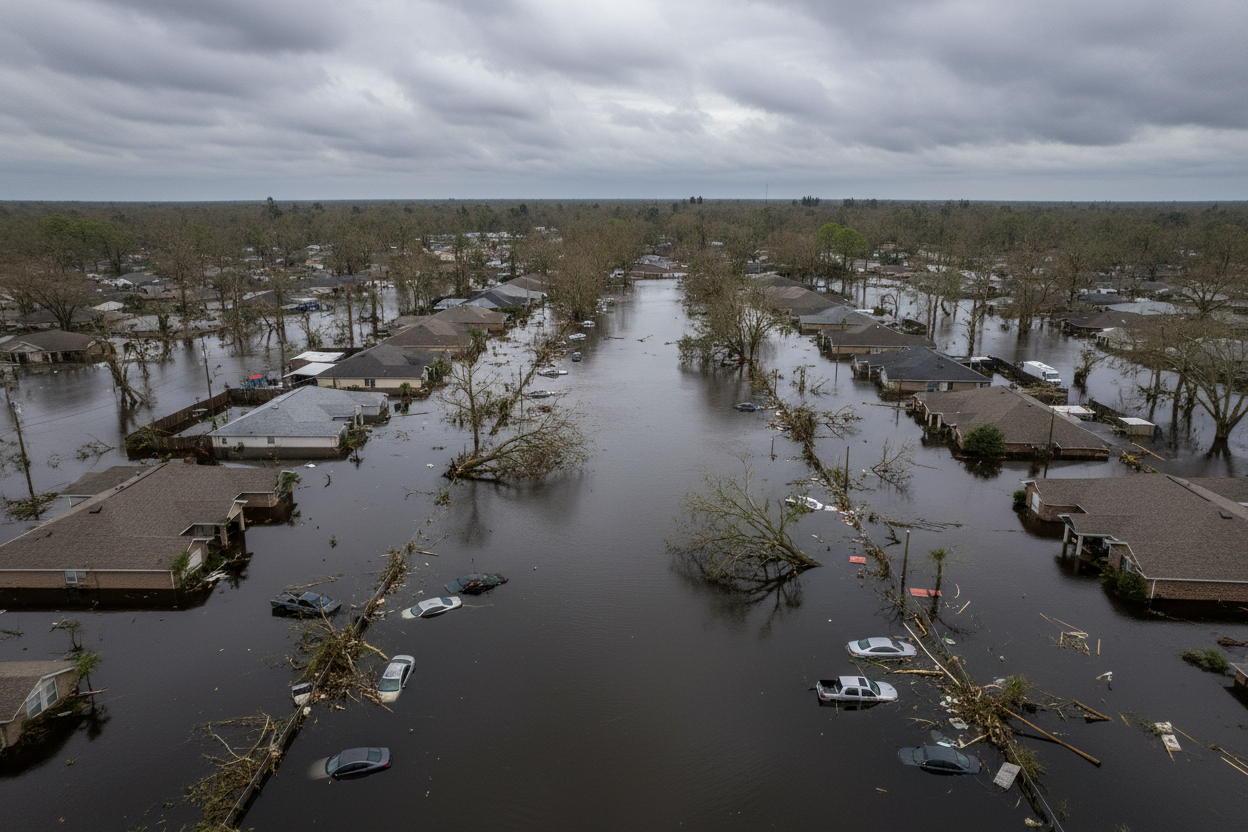
Understanding renters insurance also means understanding its limits. Most standard policies exclude:
Flood damage (a separate flood policy is available through FEMA's NFIP)
Earthquake damage (requires a separate policy or rider)
Roommates' belongings (each person needs their own policy)
Vehicle damage (covered by auto insurance)
General wear and tear
FEMA reports that just one inch of water in a rental can cause $25,000 in damage to personal belongings. Without flood coverage, that's all on you.
How Much Does Renters Insurance Cost?
Renters insurance is one of the most affordable types of coverage available. The average national cost is $15–$25 per month. For that price, you typically get:
$20,000–$30,000 in personal property coverage
$100,000–$300,000 in liability coverage
$5,000–$10,000 in ALE coverage
Compare that to replacing your laptop ($1,500), phone ($800), and couch ($1,200) after a fire. One month of premiums costs less than a cup of coffee. One year of premiums costs less than a single replacement electronic.
Common Renters Insurance Mistakes to Avoid

Even tenants who buy policies make errors. Avoid these:
Assuming your landlord's policy covers your personal belongings. It does not, and it never will.
Buying too little coverage. Add up the replacement cost of everything you own. Most people underestimate that figure significantly.
Not documenting your belongings. Walk through your apartment on video. Open drawers, show serial numbers.
Forgetting flood or earthquake riders. If you live in a flood zone or near a fault line, ask your agent.
Letting your policy lapse. One uncovered month is all it takes.
How Mosaic Services Helps Florida Renters and Landlords

Mosaic Services has seen firsthand what happens when renters lack coverage. A small kitchen fire becomes a financial disaster, a guest's injury leads to a lawsuit, and a burst pipe leaves a tenant with no safe place to stay.
That's why we help property owners in Florida:
Require renters insurance in every lease (it's legal and smart)
Verify coverage before tenants move in
Educate tenants on what their policy actually covers
Handle claims coordination when something goes wrong
When everyone has the right coverage, tenants and landlords are protected and small accidents remain manageable.
Conclusion
Renters insurance is the difference between a manageable setback and a significant financial loss. For roughly $15 to $25 a month, you gain protection for your belongings, liability coverage, and the assurance that an unexpected event will not derail your finances.
Protect your property and tenants. Get professional help in building leases that require renters' insurance, verify coverage, and keep everyone safe – from move-in to move-out.
If you are a renter in Florida, getting a quote takes as little as ten minutes.
If you're a landlord: make renters insurance a non-negotiable part of your lease and let Mosaic Services help you enforce it.

Get Started Today!
Be A Part Of A Vibrant Community You Enjoy Calling Home.


Useful Links
Services


© Copyright 2023 Mosaic Services. All rights reserved. Site Credit to s4.marketing