
ARTICLES
Why Hire A Property Management Company
ARTICLES
Why Hire A Community Management Company
What Is an HOA Board Election?
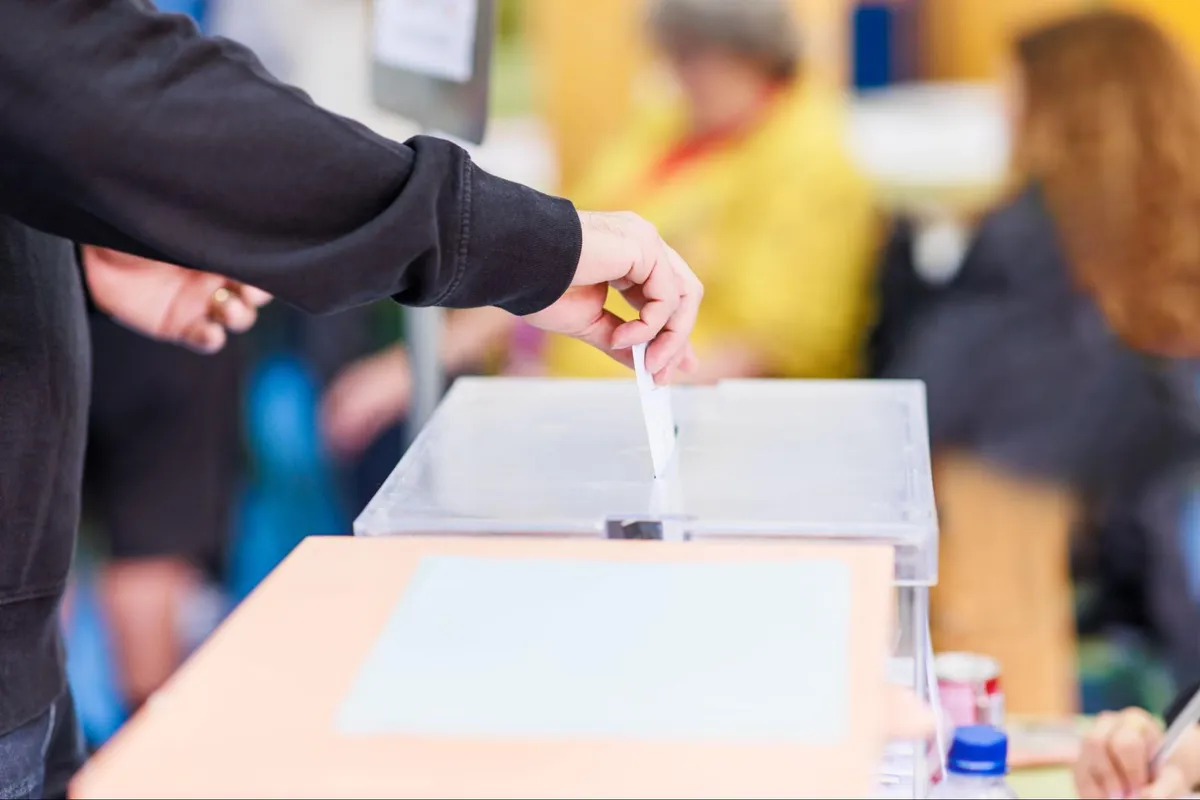
An HOA board election is the process homeowners use to choose the members who will serve on the association's board of directors.
Elections matter because they give homeowners a direct voice in who will oversee finances, maintenance, community rules, and other matters affecting daily life in the community.
In Florida, the process is governed by the association's governing documents and Chapter 720 of the Florida Statutes, and requirements can vary from one community to the next.
This article covers who can run and vote, how the process works, the Florida rules that apply, and how associations can keep elections fair.
The Role of the HOA Board
Board members oversee the association's finances, maintenance planning, vendor contracts, rule enforcement, and long-term planning.
Board members serve as volunteers rather than paid staff, and their decisions affect nearly every part of how the community operates.
Who Can Run for the HOA Board?
Eligibility comes from the bylaws, the declaration, and any adopted HOA board election rules, so review those before deciding to run.
In many communities, a candidate must be an owner in good standing, with assessments current and no unresolved violations, and may need to meet residency or tenure requirements outlined in the bylaws.
Some associations allow co-owners or, in limited circumstances, tenants to serve, though this depends entirely on the governing documents.
Candidates typically submit their names during a designated nomination period and may provide a brief statement outlining their qualifications and goals.
Anyone elected or appointed should also plan for Florida’s director education requirement. Under section 720.3033, new HOA directors must complete the required certification and education after taking office, so candidates should confirm the current deadline and approved curriculum.
The role also deserves a realistic look before running, since board service often takes more time than volunteers expect.
Who Can Vote in an HOA Election?
Voting rights depend on membership status and the specific language in the community’s documents.
Confirming the eligible voter list before the election helps avoid disputes later, since only members in good standing may be entitled to vote in many communities.
Proxies, absentee ballots, or other authorized voting arrangements may be available depending on the governing documents and applicable Florida law, though the procedures for these methods can vary between associations.
How Do HOA Board Elections Work?
The process begins with identifying which seats are open, based on expiring terms or vacancies, and confirming how many positions need to be filled. The association then prepares the eligible voter list and verifies membership standing.
Once that groundwork is complete, the association typically sends required election notices announcing the process, explaining nomination deadlines, and giving eligible homeowners the opportunity to become candidates.
Under Chapter 720, if the number of candidates does not exceed the number of open seats, an election is not required and the candidates are seated at the annual meeting.
After nominations close, the board or its management company handles the logistics of the election, including the voting date, method, and any needed ballots, proxies, or online voting tools.
On election day, eligible homeowners cast their votes according to established procedures, and the HOA follows applicable quorum and voting requirements.
Once voting closes, votes are counted and the results are documented and announced according to the association's procedures.
What Rules Govern HOA Elections in Florida?
Florida homeowners associations are typically nonprofit corporations, so elections are governed by Chapter 720 and the Florida Not For Profit Corporation Act, Chapter 617, along with the association’s own documents.
These laws can address notice requirements, voting methods, and recordkeeping that associations are expected to follow.
The bylaws typically establish how many members may serve on the board, the minimum participation needed for a quorum, term limits, and the structure of the nomination and voting process.
The declaration of covenants, conditions, and restrictions can further shape how elections are conducted, alongside any board-adopted rules.
What Are the Different HOA Voting Methods?
Associations may allow one or more voting methods depending on what their governing documents and Florida law permit, including in-person voting at an annual meeting, mail or absentee ballots, secure electronic or online voting, and proxy voting where authorized.
Offering more than one option can improve participation and help the association reach quorum, the minimum turnout required for a valid vote.
If quorum is not met, the association may need to reschedule, which can delay governance decisions and add administrative cost.
How Can an HOA Keep an Election Fair and Compliant?
Providing election notices on time, following the same procedures for every candidate and voter, and clearly communicating deadlines and eligibility requirements all support a fair process.
Keeping accurate voting records, protecting ballot confidentiality where required, and avoiding conflicts of interest in administering the election further help reduce disputes.
Documenting each step, from notice through final results, makes it easier to answer questions later.
Professional election administration can also help reduce errors, since experienced administrators know the notice, ballot, and recordkeeping requirements.
Can HOA Election Results Be Challenged?
Homeowners who believe election procedures were not properly followed may have options to raise concerns, depending on the circumstances.
This can include requesting an inspection of election records, submitting a written challenge within an allowed timeframe, or seeking mediation or legal review under applicable Florida law.
Disputes involving eligibility, notice, ballot handling, or vote counting are generally easier to avoid through transparency, including posting notices early and documenting procedures consistently.
Homeowners considering a formal challenge should consult an attorney familiar with Florida HOA law, since available options depend on the facts involved.
How Can HOAs Increase Homeowner Participation?
Stronger participation generally supports more representative leadership. Associations can improve engagement by communicating early and often through multiple channels, hosting candidate forums or informational sessions, and offering convenient voting options where legally permitted, including online ballots for communities that have adopted electronic voting.
In Florida, electronic voting is available when the board properly authorizes it and owners consent, and a hybrid of online and paper ballots accommodates both preferences.
Explaining the responsibilities tied to each open board position and educating homeowners on how board decisions affect the community can also encourage more owners to participate, whether as candidates or voters.
The Role of Professional HOA Management
Managing an election takes coordination, legal awareness, accurate records, and secure procedures, which is more than many volunteer boards can absorb alongside their regular duties.
Mosaic Services supports associations across Central Florida and The Villages with notice distribution, candidate verification, ballot preparation, online voting coordination, and post-election transitions, while the board retains authority over the election itself.
Frequently Asked Questions About HOA Board Elections
How often are HOA board elections held?
Many Florida associations elect directors at the annual meeting, with frequency set by the board terms in the bylaws.
Can a homeowner nominate themselves for the HOA board?
Self-nomination is allowed in many Florida communities. Check the bylaws and adopted election rules for the nomination procedure that applies.
Does an HOA election require a quorum?
Quorum requirements come from the bylaws and Florida law, and can vary between associations.
Can HOAs use online voting?
Electronic voting may be available where it is permitted by the governing documents and properly implemented under applicable law.
Can an HOA election be challenged?
A challenge may be possible when there are legitimate concerns about whether the election followed the applicable rules, though the available options depend on the specific circumstances.
The Bottom Line
An HOA board election decides who will govern the association, and the communities that run it well treat the procedures, notices, and records as seriously as the vote itself.
Florida HOA boards that want support reviewing their election procedures, or that are looking for help with administration, compliance, and homeowner communication, are welcome to contact Mosaic Services at 352-617-7606 or info@mosaicsvc.com.

Get Started Today!
Be A Part Of A Vibrant Community You Enjoy Calling Home.


Useful Links
Services


© Copyright 2023 Mosaic Services. All rights reserved. Site Credit to s4.marketing