
ARTICLES
Why Hire A Property Management Company
ARTICLES
Why Hire A Community Management Company

What Is Community Engagement?
Most Florida HOA boards know the pattern: the annual meeting cannot reach quorum, the same three volunteers run every committee, and residents only show up when they are upset about an assessment. Low engagement is more than a morale problem. It slows decisions, makes rule enforcement feel adversarial, and leaves boards guessing at what the community actually wants.
Understanding what community engagement is and how it works in practice is the first step toward a more connected community, whether you serve on an HOA board, a condo association, or a local committee.
This guide covers the meaning of community engagement, its benefits, the different types of organizations that rely on it, and the general process behind an effective engagement strategy.
The Meaning of Community Engagement
Community engagement is the ongoing work of building relationships and two-way communication between an organization, such as an HOA board or local government, and the people it serves.
It is also sometimes called civic engagement or community collaboration. Effective community engagement goes beyond sharing updates. It invites feedback, encourages participation, and gives residents a real say in decisions that affect them.
Why Is Community Engagement Important?
When done well, community engagement helps build trust between residents and decision-makers, encourages transparency and accountability, and improves decision-making through direct community input. It also strengthens relationships among neighbors and local organizations, and helps produce solutions that better reflect actual community needs.
Community engagement can also increase long-term civic participation. Residents who feel heard are more likely to stay involved, volunteer for committees, and show up when the board actually needs quorum.
Types of Community Engagement
Community engagement generally falls into four categories: informing, consulting, collaborating, and empowering.
Informing is a largely one-way form of communication used to share updates and announcements, such as a newsletter from a homeowner association or a local government office.
Consulting adds interaction: gathering resident opinions through surveys, open forums, or comment periods before a decision is made.
Collaborating involves a more balanced relationship, where community members work directly with an organization to help develop solutions, such as a landscaping or social committee that works alongside the board.
Empowering goes further by giving residents an active role in planning, decision-making, and implementation, often through resident-led committees or advisory boards.
Each approach fits different situations. A board announcing a new vendor only needs to inform; a board considering a special assessment should consult well before the vote. In communities with many seasonal residents, like much of Central Florida and The Villages, that often means offering ways to participate remotely, since a share of owners are out of state for months at a time.
Community Engagement Benefits
Increased trust and transparency also tend to follow, especially when boards explain how resident input shaped the final outcome.
Engagement can lead to more informed decisions, since residents often understand the practical effects of a rule or project better than anyone reviewing it on paper.
Over time, an engaged community also retains its property value better, since buyer impressions of a neighborhood reflect how well it appears to be run.
What Does Good Community Engagement Look Like?
Good engagement is easy to spot. Residents hear about decisions before they are final, feedback gets a visible response, and there is a way to participate for people who cannot make a Tuesday-night meeting, including seasonal residents who are away half the year.
Consistent follow-up matters most: closing the loop after asking for input is what keeps residents willing to give it again. Effective engagement works best as a continuous process that extends well beyond any single meeting or announcement.
The Community Engagement Process
A typical community engagement process starts with a clear goal and an honest look at who the community is, including renters, seasonal residents, and owners who rarely attend meetings.
From there, the board chooses the methods that fit: meetings, surveys, community events, email updates, or an online portal. The right combination of methods generally depends on the size of the community, the topic at hand, and how much direct input the situation calls for.
Once feedback comes in, the board should look for common themes and priorities rather than reacting to the loudest voices.
The final step is acting on the feedback and reporting the results back to residents. Seeing that their input changed something is what makes people participate next time.
Real-World Community Engagement Examples
In an association setting, engagement looks like open meetings with a real resident forum, surveys before major projects or assessments, welcome materials for new owners, and committees for landscaping, social events, or architectural review.
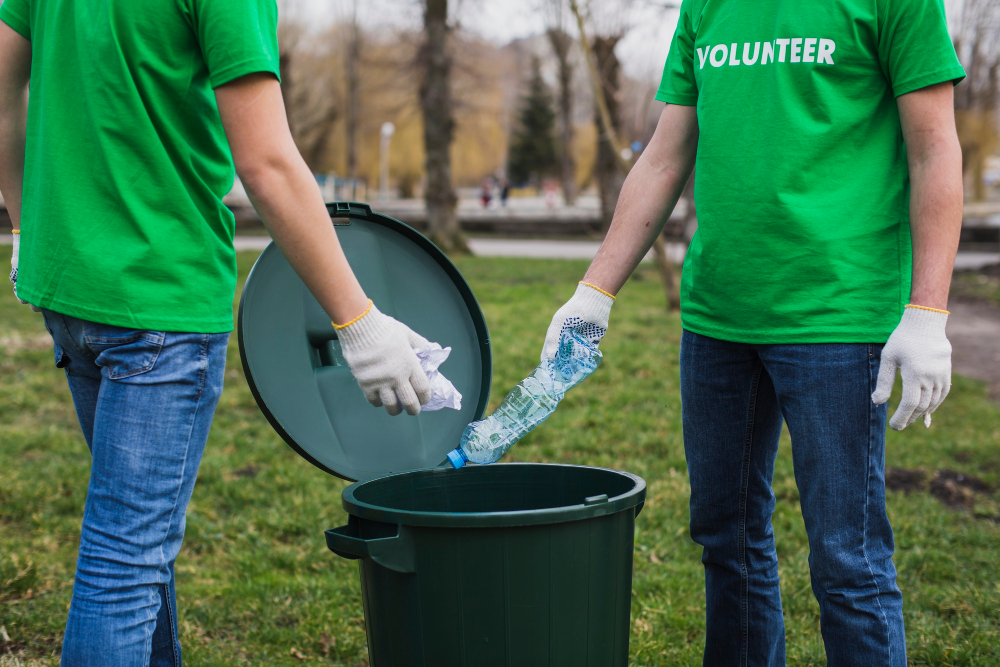
Community clean-up events and volunteer programs round out the picture, giving residents low-commitment ways to get involved.
Digital tools, including community websites, email updates, and online portals, also make it easier for residents to weigh in from anywhere, which matters in Florida communities where many owners are seasonal. Engagement also proves its worth in practical moments: a community that communicates well year-round gets a far better response when the board sends hurricane-season preparation notices.
Building Engagement in Your Florida Community
Engagement rarely fails because residents do not care. It fails because boards are stretched thin, communication is inconsistent, and nobody owns the follow-up.
Mosaic Services helps HOA and condo boards across Central Florida and The Villages put an engagement system in place, from meeting notices and resident communication to surveys, welcome materials, and follow-through on community feedback. The board sets the direction; Mosaic handles the administration that keeps residents informed and involved.
If participation in your community has been slipping, call 352-617-7606 or email info@mosaicsvc.com to talk about what better engagement could look like.

Get Started Today!
Be A Part Of A Vibrant Community You Enjoy Calling Home.


Useful Links
Services


© Copyright 2023 Mosaic Services. All rights reserved. Site Credit to s4.marketing