
ARTICLES
Why Hire A Property Management Company
ARTICLES
Why Hire A Community Management Company
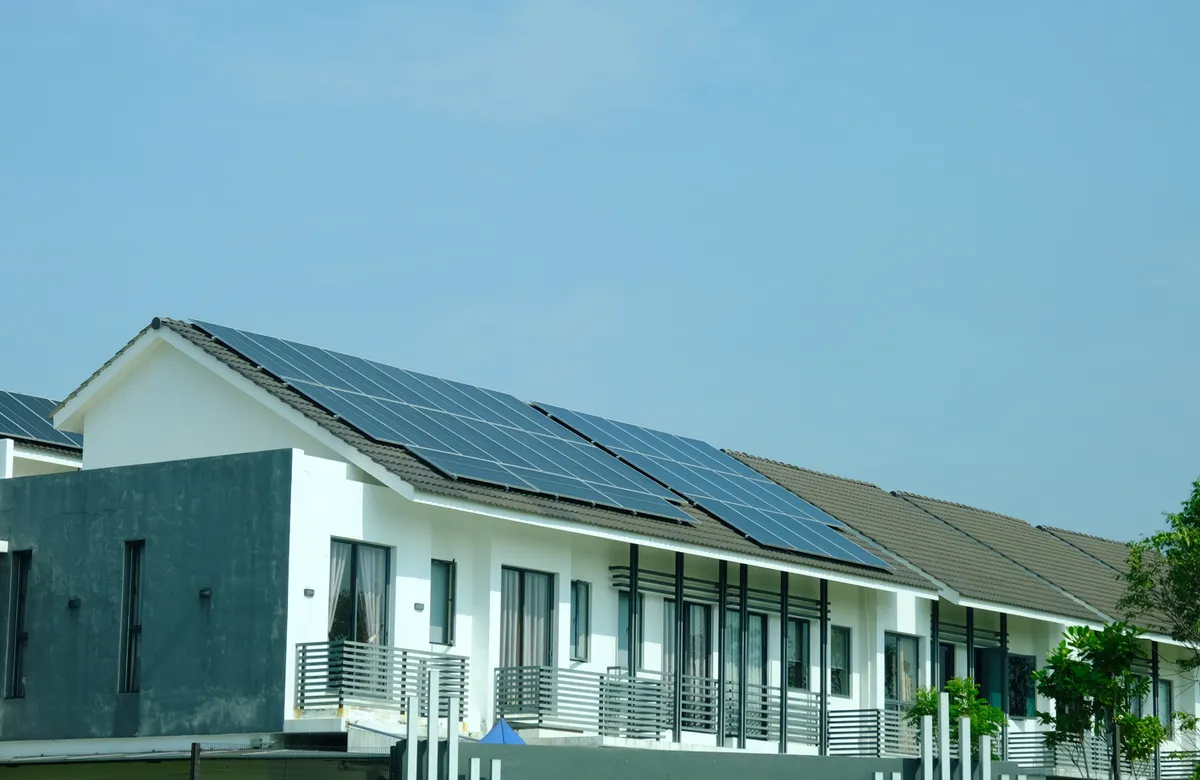
New Can an HOA Restrict Solar Panels
An HOA may be able to regulate certain aspects of a solar installation, but whether it can restrict, deny, or prohibit solar panels depends on state law, the association's governing documents, and the type of restriction involved.
HOA solar panels sit between two goals: homeowners want to generate their own power and cut utility costs, while associations are responsible for community standards and consistent rules.
Many states have enacted solar access laws that limit the authority of an association to block residential solar. Florida's statutes address solar collectors directly, and those rules affect communities across Central Florida.
Can an HOA Ban or Deny Solar Panels?
No single nationwide rule gives every HOA the same authority. Some states sharply limit the ability of an association to block residential solar, while others allow broader restrictions or have no specific solar access statute.
Whether an HOA can ban solar panels depends on the state statute, the recorded governing documents, the property type, and the proposed installation.
Four categories are worth distinguishing: a complete ban, restrictions on placement or appearance, reasonable installation or safety standards, and architectural review requirements.
Even where solar is protected, an association can often impose conditions in the last three categories. State law may also override a covenant or rule that conflicts with it.
Florida offers a clear example. Under section 163.04 of the Florida Statutes, deed restrictions and similar binding agreements generally may not prohibit or effectively prohibit solar collectors on residential dwellings.
Virginia shows how much the rules can differ, since its statute lets a recorded declaration prohibit solar outright and measures other restrictions against a reasonableness standard.
What Solar Panel Restrictions Can an HOA Enforce?
Even where homeowners have solar rights, HOA restrictions on solar panels may still cover installation details. Placement and design requirements are a common example, covering roof placement, visibility, equipment location, and panel orientation where the law permits.
Safety and installation standards form a second category. Associations may require compliance with building and electrical codes, installation by qualified professionals, and protection of common property, consistent with state law.
Architectural review is the third category. An association may request plans, specifications, or other documentation before work begins so the board can confirm that a proposal meets published standards.
The review process cannot be used to block an installation that state law protects, and boards should confirm where that limit falls with association counsel.
HOA Solar Panel Laws by State: Why Location Matters
State solar access laws are the major factor in determining how much an HOA can regulate. Treat the following as an educational summary rather than legal advice.
Florida
Florida protects solar collectors under section 163.04 of the Florida Statutes, which operates separately from the Chapter 720 provisions that govern HOAs.
An association with approval authority under a declaration generally cannot deny permission just because its documents give it control over exterior alterations.
The statute does let that entity choose the roof location, as long as the spot faces south or within 45 degrees east or west of due south and the choice does not impair the system's effective operation.
California
California has statutory protections governing HOA restrictions on solar energy systems, including the California Solar Rights Act.
These laws limit the ability of covenants and association rules to restrict installations, and many cities and counties add more specific local regulations.
Texas
Under Texas Property Code section 202.010, property owners' associations generally cannot prohibit or restrict qualifying solar energy devices. The law includes specified exceptions, so the details of a particular case matter.
Other States
Colorado and Maryland each have their own rules governing association restrictions on solar. Solar access laws change, and homeowners should verify current state and local requirements along with their community's governing documents before acting.
What Should an HOA Consider Before Approving Solar Panels?
Boards should adopt written solar guidelines before the first application arrives. Objective requirements, a defined document list, and clear review criteria give homeowners and reviewers a shared reference.
Apply the same standards to comparable applications, avoid unnecessary delays, and separate legitimate architectural concerns from restrictions state law may not permit.
Where relevant, the review can consider roof condition, structural concerns, electrical safety, drainage, and shared infrastructure.
Qualified professionals can answer technical questions, and legal counsel is worth involving when state law, the documents, or a disputed application creates uncertainty.
Do Homeowners Need HOA Approval for Solar Panels?
Often, but not always. Many HOA-governed communities require an architectural review application before exterior modifications such as rooftop solar, and this review is separate from any government permit. The declaration, CC&Rs, and architectural guidelines confirm what a particular association requires.
A homeowner may need to submit an application even when state law protects the right to install solar, and a local government may separately require building, electrical, or other permits.
Installing before completing a required review can create an enforcement dispute under the governing documents, even where the ability to reject the installation itself is limited.
Check association requirements before finalizing the system design. A complete submission usually includes a site plan, panel layout, equipment specifications, installation details, and contractor or permit information, which gives the board a clear basis for review and reduces delays.
What Should Homeowners Do If an HOA Denies a Solar Panel Request?
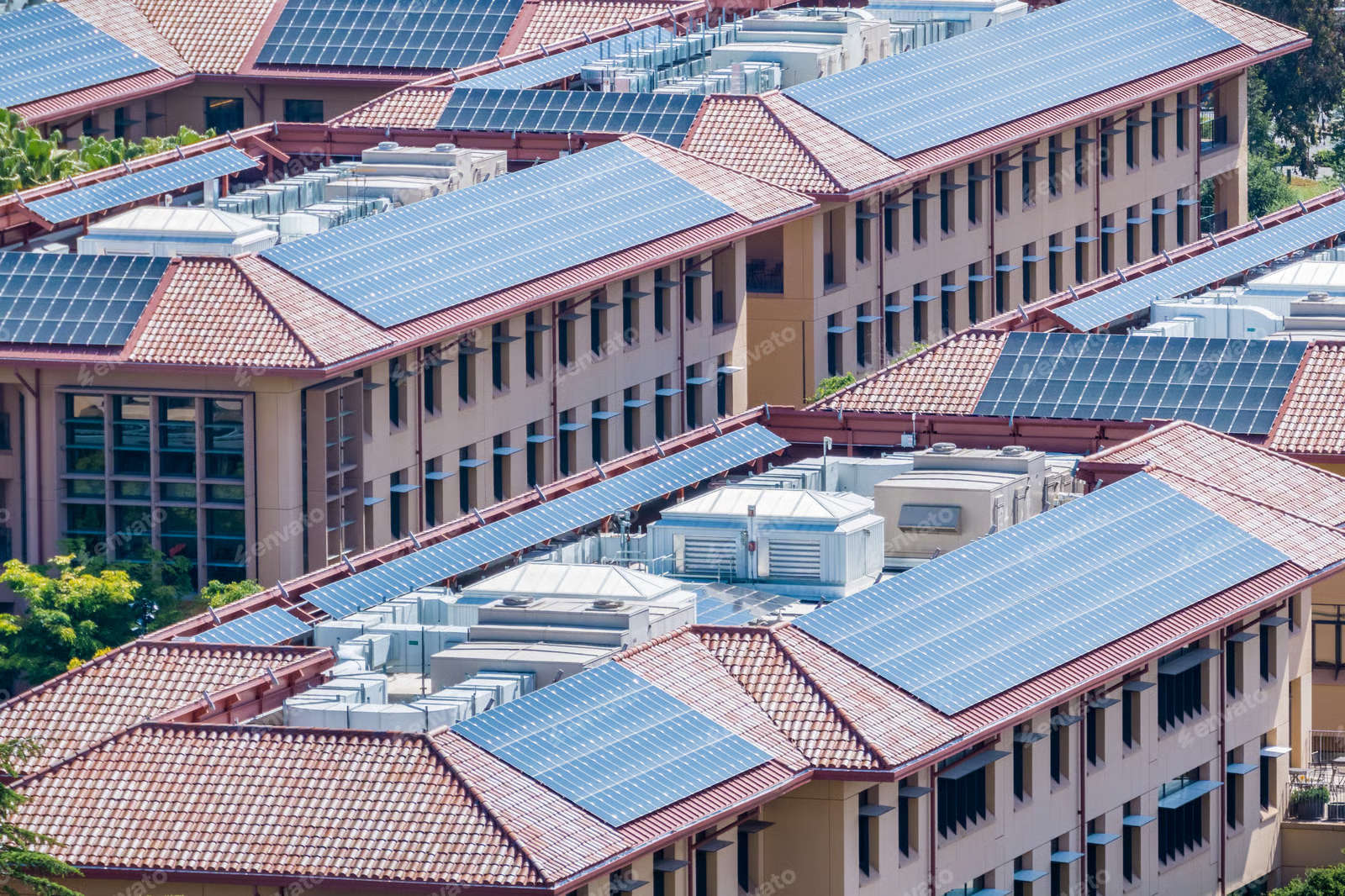
Start by asking the association to put the denial in writing, citing the specific rule it relied on. The next step is to review the declaration, bylaws, architectural guidelines, and any solar provisions, and to check the applicable state solar access law.
The review should determine whether the issue involves a legitimate technical or design requirement or a restriction that state law does not permit. Not every denial is unlawful, and some requested changes may be reasonable.
If the association requests changes, document the difference between the original and requested configurations, including estimated annual production, installed cost, and module count.
A homeowner may also request reconsideration with additional supporting documents. If the dispute remains unresolved, mediation or consultation with an attorney familiar with HOA and solar access law are the next options.
How Can HOA Management Support Fair Solar Decisions?
Mosaic Services works with communities across Central Florida and The Villages, handling homeowner communication, vendor coordination, and legal compliance support.
The board retains authority over approvals and governance, while management carries out board decisions and helps administer the process. That support helps boards stay current on Florida requirements without complicating the approval process.
Frequently Asked Questions
Can an HOA restrict solar panels?
Restrictions on solar panels may be possible in some circumstances, such as reasonable placement or documentation requirements. State law can limit association authority, so the outcome depends on the jurisdiction.
Can an HOA ban solar panels?
A complete ban may be prohibited depending on the state. In Florida, section 163.04 generally blocks deed restrictions that prohibit, or effectively prohibit, solar collectors on residential homes.
Can an HOA deny solar panels?
Whether a denial is permissible depends on the stated reason, the governing documents, and applicable law. A denial based on a reasonable safety or placement standard may differ from one that functions as a prohibition.
Do homeowners need HOA approval for solar panels?
Association review and government permitting are separate processes, and both may apply. The governing documents indicate whether an architectural application is required.
What can an HOA require for solar panels?
Associations may be able to require reasonable documentation, placement standards, design details, and safety measures where state law permits. These requirements should remain consistent with applicable statutes.
The Bottom Line
HOA solar panel rules reflect a combination of state law, community documents, and reasonable property standards. This article is an educational summary, not legal advice, so confirm specific situations with an attorney or association counsel. Homeowners should understand their rights before applying, and boards should set clear, consistent procedures for every solar request.
Mosaic Services supports Florida associations with professional HOA and community management, including legal compliance support, and can be reached at 352-617-7606 or info@mosaicsvc.com.

Get Started Today!
Be A Part Of A Vibrant Community You Enjoy Calling Home.


Useful Links
Services


© Copyright 2023 Mosaic Services. All rights reserved. Site Credit to s4.marketing